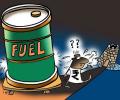
India has taken up the issue of high oil prices with producer nations and OPEC, demanding affordable rates, Minister of State for Petroleum and Natural Gas Rameswar Teli told the Lok Sabha on Monday. Petrol and diesel prices have shot up to record highs across the country after relentless price increases since early May. Petrol is retailing above Rs 100 a litre in more than a dozen states.
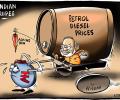
The Union government has collected Rs 94,181 crore through levy of excise duty on petrol and diesel in the first three months of the current fiscal on the back of a record tax on fuel that yielded 88 per cent higher revenue the previous financial year, the Lok Sabha was informed on Monday. Excise duty on petrol was hiked from Rs 19.98 per litre to Rs 32.9 last year to recoup gain arising from international oil prices plunging to multi-year low as pandemic gulped demand. The same on diesel was raised to Rs 31.8 from Rs 15.83 a litre, according to a written reply by Minister of State for Petroleum and Natural Gas Rameswar Teli in the Lok Sabha. This led to excise collections on petrol and diesel jumping to Rs 3.35 lakh crore in 2020-21 (April 2020 to March 2021), from Rs 1.78 lakh crore a year back, he said.
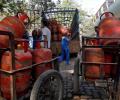
Finance Minister Nirmala Sitharaman cut fuel subsidies while slapping additional fuel taxes on unblended transport fuels in the latest Union Budget. The former will hit the rural poor, households that secured a subsidised LPG connection under the Pradhan Mantri Ujjwala Yojana (PMUY), a programme that was partly instrumental in helping the Bharatiya Janata Party (BJP) win the 2019 general elections. The latter will pretty much hurt the entire population after it kicks in from October. That's what it looks like. Or, perhaps, it's not as it appears to be, at least on the subsidy front.

Eight Union ministers, two former chief ministers and one ex-governor are among those who are set to test their electoral fate in the first phase of elections on April 19 when 102 seats across 21 states and Union territories will go to polls.

Health Minister Mansukh Mandaviya, Civil Aviation Minister Jyotiraditya Scindia, Railway Minister Ashwini Vaishnaw and other ministers took charge of their respective offices on Thursday, a day after taking oath at a ceremony held in the Darbar Hall of the Rashtrapati Bhavan.
Finance Minister Nirmala Sitharaman on Monday ruled out a cut in excise duty on petrol and diesel to ease prices, which have touched an all-time high, saying payments in lieu of past subsidised fuel pose limitations. Petrol and diesel as well as cooking gas and kerosene were sold at subsidised rates during the previous Congress-led UPA government. Instead of paying for the subsidy to bring parity between the artificially suppressed retail selling price and the cost that had soared because of international rates crossing $100 per barrel, the then government issued oil bonds totalling Rs 1.34 lakh crore to the state-fuel retailers. These oil bonds and the interest thereon are being paid now.

'If we do this, we will see that the true history of India will be established and the lies will end spontaneously'

Petrol price on Thursday was cut by Rs 6.07 per litre and diesel price by Rs 11.75 in Delhi as oil companies passed on a record reduction in excise duty rates to consumers. Buckling under pressure, the government had on Wednesday cut excise duty on petrol by Rs 5 per litre and that on diesel by Rs 10 a litre to give reprieve to consumers battered by record high retail fuel prices. Since states charge local sales tax or VAT not just on the base price but also on the excise duty levied by the centre, the total incidence of price reduction is higher.
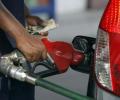
Petrol and diesel prices were hiked for the fourth consecutive day on Saturday by 35 paise per litre, pushing the total increase in rates on petrol to Rs 36 per litre and on diesel to Rs 26.58 since early May 2020 when taxes on the two fuels were raised to record levels. Petrol in Delhi now costs Rs 107.24 a litre and diesel comes for Rs 95.97, according to a price notification of state-owned fuel retailers. The latest increase that follows the unrelenting hike in international oil prices has pushed pump rates across the country to their highest-ever levels.
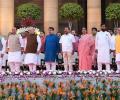
He dropped those perceived to be non-performers or whose integrity came into question, and also where it was felt they needed to learn a lesson or two in humility.

Prime Minister Narendra Modi will retain DoPT, Atomic Energy as well as all important policy issues and portfolios not allocated.
